Since January 2025, vessels above 5,000 GRT have had to cut the GHG intensity of the energy they use. The regulation cares about the number, not the route.



Biomethane under Germany’s GModG: What Gas Suppliers Need to Know


Since January 2025, vessels above 5,000 GRT have had to cut the GHG intensity of the energy they use. The regulation cares about the number, not the route.
Since January 2025, vessels above 5,000 GRT calling at EU ports have had to cut the greenhouse gas intensity of the energy they use — 2% now, 6% by 2030, and far steeper after that. The regulation doesn’t care how you get there. It cares about the number.
For LNG-fuelled ships, bio-LNG is the least disruptive route. No new engine, no new bunkering infrastructure, no waiting for a fuel that doesn’t yet exist at scale. Certified bio-LNG counts as zero well-to-tank, which moves the intensity figure immediately.
What it does require is a certificate that survives verification, and a supply arrangement that matches your bunkering schedule rather than the spot market’s mood.
bGX sources certified bio-LNG and structures multi-year supply for fleets that need a number they can bank on.
Read the full guide: FuelEU Maritime and bio-LNG as a compliance fuel
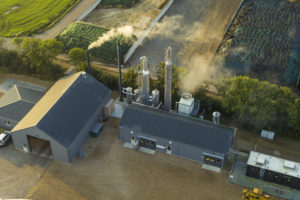
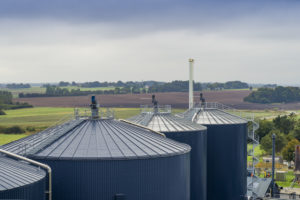
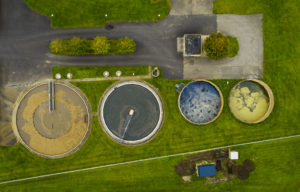
Our team sources certified biomethane across European producers and structures the delivery — mass balance, Guarantees of Origin, Proof of Sustainability. We handle the complexities. You get the results.