Germany’s transport GHG quota has run since 2015. The RED III transposition reshapes the arithmetic — and contracts signed today will deliver under the new rules.


FuelEU Maritime is in force. Bio-LNG is the shortest path to compliance


Germany’s transport GHG quota has run since 2015. The RED III transposition reshapes the arithmetic — and contracts signed today will deliver under the new rules.
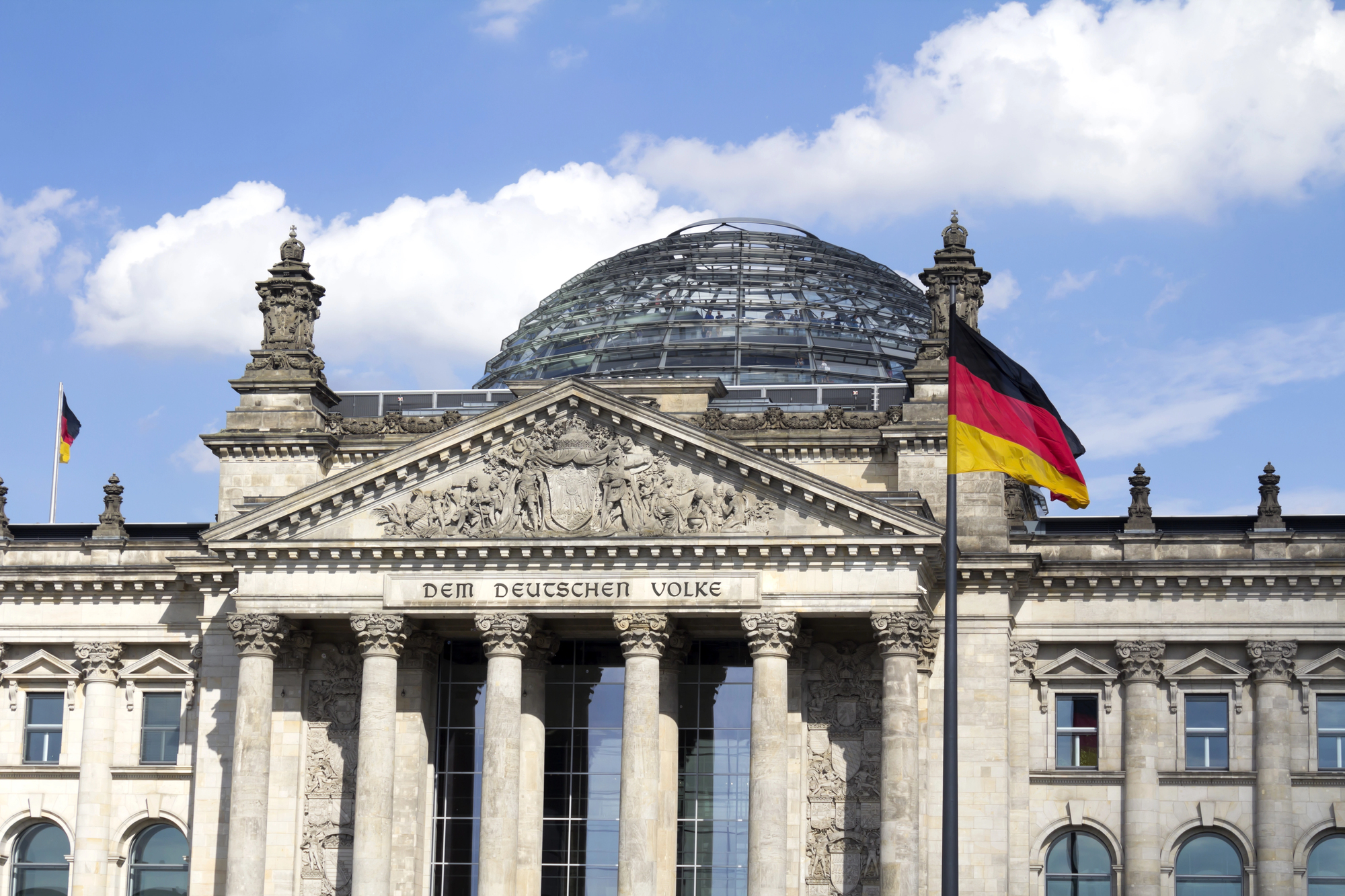
Germany’s Gebäudemodernisierungsgesetz (GModG) is now law. It replaces the Gebäudeenergiegesetz (GEG) and gives renewable gases a defined role in building heating. The law introduces specific requirements for two key groups: building owners installing new gas heating systems and the gas suppliers delivering those fuels. This article explains both, how they connect, what is still open, and what suppliers can prepare now.
The GModG was published in the Bundesgesetzblatt on 28 July 2026, and its main rules apply since 29 July 2026. Who must comply with what:
| Building owners: Biotreppe (§ 43) | Gas suppliers: Grüngasquote (§ 42a) | |
| Who must comply | Owners (or operators) of new gas, oil and liquefied gas heating systems in existing buildings | Companies placing gas, oil and liquefied gas on the market for building heat (Inverkehrbringer) |
| What they must do | Cover a minimum share of heat from climate-friendly fuels:
|
Meet a green gas quota; from 2045 onwards, supply only climate-neutral fuels for building heat |
| What is still open | Detailed proof procedure | Quota rate, start year and compliance mechanism |
| Status | In force for systems installed from 29 July 2026, bio share required from 2029 | Separate law due from the federal government by 1 December 2026 |
The first rule concerns buildings. The Biotreppe applies to gas heating systems installed from 29 July 2026; older systems are not covered. For these new systems, the required share rises in steps: 10% from 2029, 15% from 2030, 30% from 2035 and 60% from 2040. Until 2034, owners benefit from flexibility, as alternatives such as solar thermal systems or hybrid heat pumps, may also contribute to meeting these thresholds.
The legal obligation falls directly on the building owner (or operator), not the gas supplier. Compliance can be achieved using a mix of eligible fuels, including biomethane, bio-oil, biogenic liquefied gas and hydrogen, provided they meet the GModG’s sustainability requirements. While the requirement is active, the specific procedures for verifying and documenting compliance are still under development.
The second rule addresses the supply side. Section 42a GModG requires the federal government to introduce a separate quota law by 1 December 2026. This law is intended to ensure that fuels supplied for building heating are fully climate-neutral from 2045 onwards. The precise quota level, start date, scope and compliance mechanics, however, have yet to be determined.
In terms of timing, the federal government has indicated that the quota could take effect as early as 2028. Until the law has been adopted by parliament, however, 2028 remains an expected start date rather than a legally binding requirement.
Although the two rules address different groups, they are designed to work together: green gas supplied under the quota is expected to count towards the Biotreppe, with the details to follow in the new law.
Their scope, however, differs. The Biotreppe increases with each new installation, whereas the quota is expected to cover gas supplied for building heating, including existing systems. It would therefore cover a significantly larger number of gas-heating customers. The extent to which it creates additional demand, however, will depend on the level of the quota.
Biomethane can play a role under both rules. It can be used to meet the Biotreppe requirement and is likely to be one of the key options for complying with the future quota. For suppliers, this makes procurement a central consideration: securing sufficient volumes at the right time, while the detailed compliance framework is still being developed.
On the documentation side, biomethane used for building heat is currently recorded through the dena Biogasregister. Looking ahead, the Umweltbundesamt (UBA), dena and Nabisy are working on a future documentation system, but its final design and implementation remain unresolved.
For suppliers, the resulting risk is primarily commercial rather than legal. Customers installing new gas heating system will need a supply that enables them to meet the Biotreppe requirement. Suppliers unable to provide a suitable product may therefore risk losing those customers.
This sits alongside other elements of the heat transition, including the decarbonisation of heat networks, support for municipal heat planning and decisions on the future of gas grids, each with its own timeline and uncertainties. Against this backdrop, a biomethane supply contract can provide a more predictable element: a defined volume of renewable gas secured for each year
With several key details still unresolved, the question is less whether to act than when and how. If the Biotreppe and the future quota increase demand at the same time, available volumes could become tighter, while developing new production capacity takes time.
Suppliers that secure a portion of their expected future needs early can therefore create greater planning certainty and reduce their exposure to future supply constraints.
This is where bGX can help. Through bGX, suppliers can secure biomethane volumes that are documented in the dena Biogasregister under the current rules. We closely monitor developments around the Grüngasquote and the future documentation framework and will adapt our approach as the regulatory requirements become clearer.
Speak with bGX about what the GModG means for your portfolio. Contact us at sales@biogemexpress.com.
Our team sources certified biomethane across European producers and structures the delivery — mass balance, Guarantees of Origin, Proof of Sustainability. We handle the complexities. You get the results.