The zero emission factor attaches to the certificate, not the molecule. And in 2028, ETS II widens the circle considerably.


FuelEU Maritime is in force. Bio-LNG is the shortest path to compliance


The zero emission factor attaches to the certificate, not the molecule. And in 2028, ETS II widens the circle considerably.
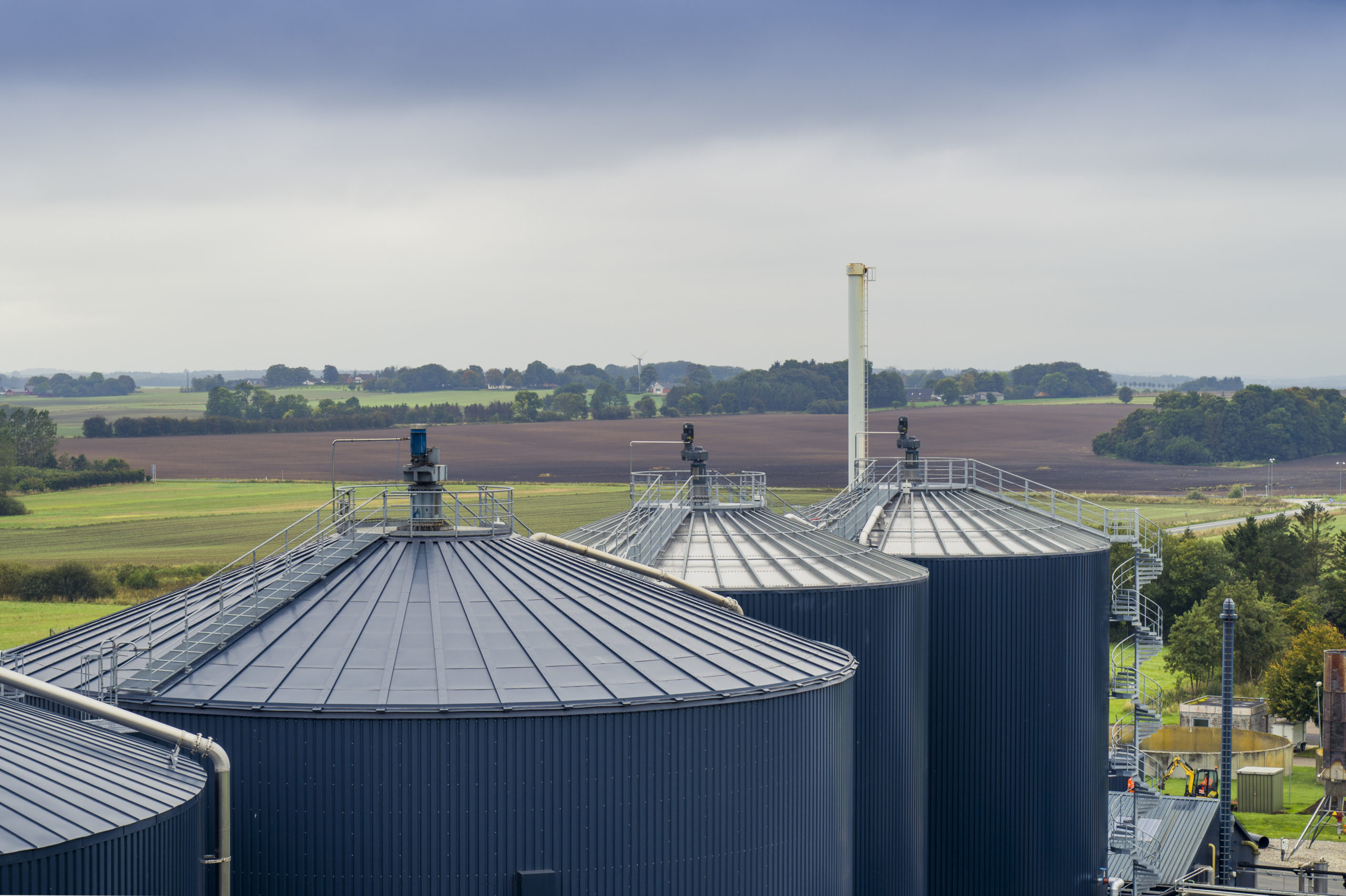
Under ETS I, certified biomethane carries a zero emission factor. Burn it, report it correctly, and you surrender no allowances for those volumes. At current allowance prices, that is not a rounding error.
The catch is correctly. The zero factor attaches to the certificate, not to the molecule — so the volume has to be sustainably certified, mass-balanced through the chain, and reported in a form your competent authority accepts. Get the documentation wrong and the same gas is treated as natural gas.
The stakes grow in 2028, when ETS II extends pricing to buildings and road transport and pulls a much wider set of companies into the same arithmetic. Supply contracts signed now will still be running then.
bGX sources ETS-quality biomethane and delivers the documentation with it.
Read the full guide: EU ETS biomethane and the zero emission factor
Our team sources certified biomethane across European producers and structures the delivery — mass balance, Guarantees of Origin, Proof of Sustainability. We handle the complexities. You get the results.