

FuelEU Maritime — Bio-LNG as a Compliance Fuel
FuelEU Maritime has been in force since 1 January 2025. Every vessel of 5,000 gross tonnes or above calling at EEA ports must reduce the GHG intensity of its energy use — or pay a penalty. Bio-LNG produced from RED-certified biomethane carries a zero Well-to-Tank emission factor and is already being bunkered at European ports. BioGem Express structures the certified biomethane supply behind it.
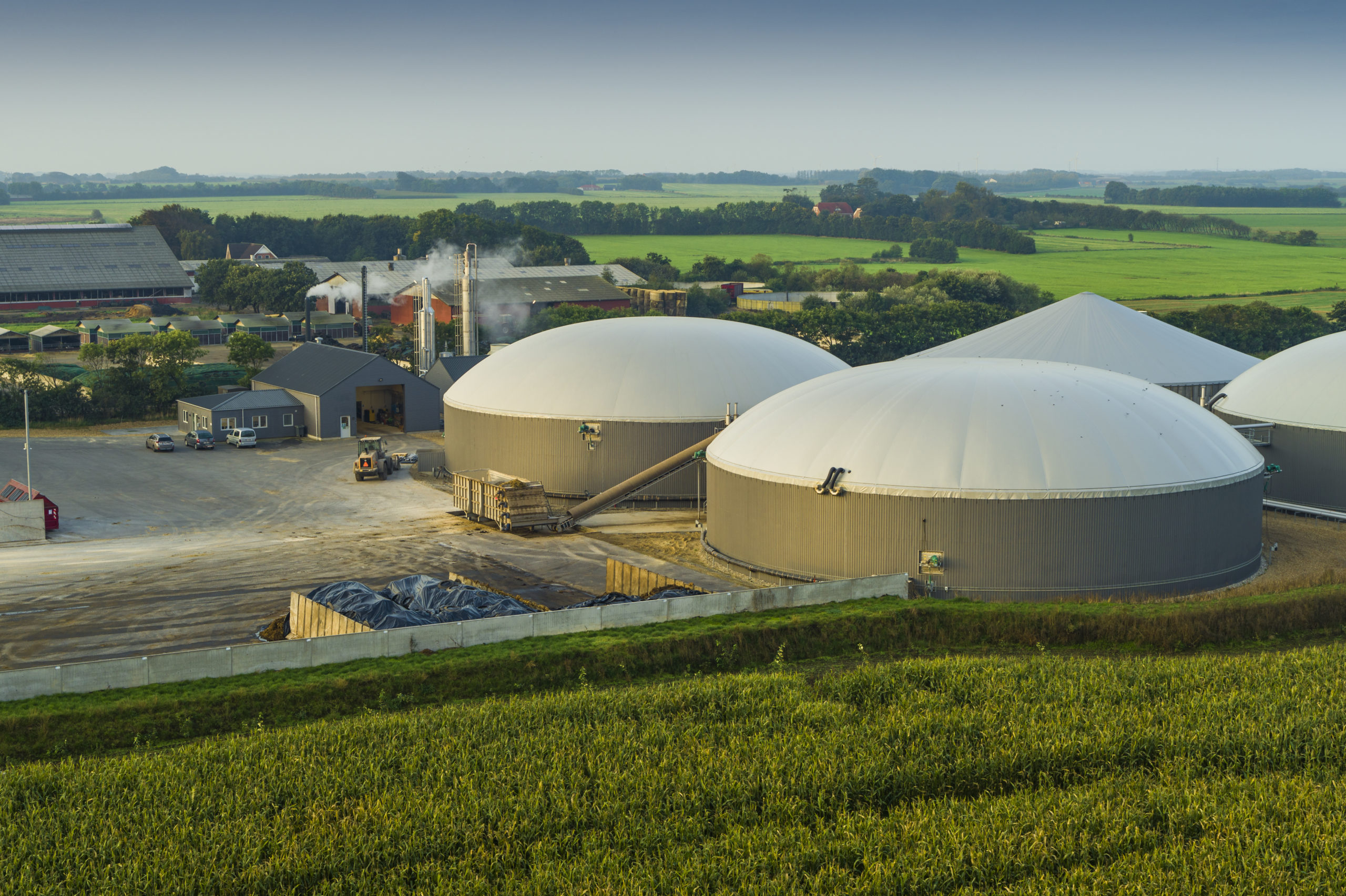
What does FuelEU Maritime require, and how does Bio-LNG help?
FuelEU Maritime (Regulation EU 2023/1805) entered into force on 1 January 2025. It applies to vessels of 5,000 gross tonnes or above calling at ports within the European Economic Area, regardless of flag. The regulation mandates a reduction in the average annual GHG intensity of energy used onboard, measured in gCO₂ equivalent per MJ on a Well-to-Wake (WtW) basis — covering production, transport, and onboard combustion of the fuel. CO₂, methane, and nitrous oxide are all included in the calculation.
The 2020 reference baseline is 91.16 gCO₂eq/MJ. Vessels must progressively reduce below this — starting at −2% in 2025, reaching −6% by 2030, and −80% by 2050. Missing the annual target triggers a non-compliance penalty of approximately €640 per tCO₂eq. That penalty can function as a buy-out for operators who choose to price it in, but the trajectory tightens: by 2040, the required cut is −31%.
Bio-LNG produced from RED-certified biomethane directly addresses this. Under FuelEU accounting, the Well-to-Tank emission factor for RED-certified biofuels is zero. The result is a materially lower WtW GHG intensity per MJ of fuel used, improving the vessel's annual compliance position. Bio-LNG was already being bunkered in Sweden and Finland in 2025, with capacity in Europe projected to reach 64 plants and 1,051 kton by 2027 — nearly double the 2024 figure of 43 plants and 539 kton, according to the EBA Annual Report 2025.
FuelEU Maritime measures Well-to-Wake GHG intensity (gCO₂eq/MJ). The EU ETS for shipping measures Tank-to-Wake emissions and requires allowance surrender. Both apply to vessels >5,000 GT calling EEA ports. A ship burning Bio-LNG from certified biomethane benefits from the zero WtT factor under FuelEU and from the zero emission factor under the EU ETS — two compliance credits from a single fuel switch. ETS shipping coverage reaches 100% from 2026, with CH₄ and N₂O also included.
| Year | Target vs. 2020 | Max. GHG intensity (gCO₂eq/MJ) |
|---|---|---|
| 2025 | −2% | 89.34 |
| 2030 | −6% | 77.94 |
| 2035 | −14.5% | 62.90 |
| 2040 | −31% | 34.64 |
| 2045 | −62% | 18.23 |
| 2050 | −80% | — |
Source: Regulation (EU) 2023/1805 — FuelEU Maritime reduction schedule vs. 2020 fossil reference baseline (91.16 gCO₂eq/MJ).
How Bio-LNG from biomethane reduces FuelEU intensity
Three steps connect certified biomethane production to a measurable improvement in a vessel's annual GHG intensity compliance position.
Biomethane certified & liquefied
Biomethane produced from organic feedstocks is verified under a recognised RED voluntary scheme — typically ISCC EU or REDcert EU — with a full Proof of Sustainability. It is then liquefied to Bio-LNG. The sustainability certificate and chain-of-custody documentation follow the physical product through the liquefaction step, as outlined in the ISCC EU Mass Balance Guidance v1.2.
Bunkered & recorded
Bio-LNG is loaded at the bunkering port under the vessel's EU MRV monitoring plan. The fuel's verified sustainability data — feedstock, GHG pathway, and PoS reference — is recorded as required for FuelEU Maritime reporting. Bio-LNG bunkering is already operational in Swedish and Finnish ports, with European capacity expanding rapidly toward 64 plants by 2027.
GHG intensity reduced
The vessel's annual WtW GHG intensity calculation reflects the zero Well-to-Tank factor of the Bio-LNG consumed. This lowers the average gCO₂eq/MJ for all energy used onboard, directly improving the vessel's position against the annual compliance threshold — and reducing or eliminating the ~€640/tCO₂ penalty exposure for those voyages.
What FuelEU-compliant Bio-LNG requires
Not all Bio-LNG achieves the zero WtT factor. RED certification, full Proof of Sustainability, and unbroken chain of custody from production to bunkering are essential.
RED voluntary scheme certification
The underlying biomethane must be certified under a recognised RED voluntary scheme — ISCC EU or REDcert EU — covering feedstock eligibility, GHG methodology, and chain of custody. Certification must be valid at the point of bunkering. The zero WtT factor applies only to volumes backed by a valid Proof of Sustainability from an accredited certification body.
Well-to-Wake GHG pathway
FuelEU Maritime uses a Well-to-Wake accounting scope that includes CO₂, methane, and nitrous oxide. The GHG intensity value for Bio-LNG is calculated from the certified lifecycle pathway of the underlying biomethane, adjusted for liquefaction and onboard combustion. Residue and waste feedstocks — including manure — typically deliver the strongest WtW performance.
Chain of custody through liquefaction
Sustainability characteristics transfer from biomethane to Bio-LNG through a documented mass-balance process. Conversion factors, GHG losses from liquefaction, and chain-of-custody records must be maintained throughout. Where an LNG terminal is connected to the gas grid, it can be treated as part of the interconnected mass-balance system under ISCC EU guidance.
EU MRV monitoring & FuelEU reporting
Shipping companies must monitor, report, and verify energy use and emissions under the EU MRV framework. FuelEU Maritime builds on this: fuel consumption data, WtW GHG intensity values, and fuel verification records must be submitted annually. BioGem Express provides the documentation package to support the fuel compliance element of the operator's monitoring plan.
Your Bio-LNG compliance partner
Maritime compliance is now a fuel procurement question. The GHG intensity of what your vessels bunker determines your FuelEU position — and your EU ETS allowance obligation runs in parallel. Getting both right requires more than fuel availability. It requires certified supply, clean documentation, and a trading partner who understands both frameworks.
BioGem Express sources biomethane from certified European producers, coordinates the sustainability proof through the liquefaction chain, and works with bunkering operators to deliver Bio-LNG where the documentation holds up to regulatory scrutiny. That's what makes a fuel choice a compliance solution.
"Shipping operators don't need another supplier. They need a partner who understands the full compliance picture — from well to wake."
Marcel Hüberli — Head of Sales, BioGem Express- Certified biomethane sourcing under ISCC EU or REDcert EU for Bio-LNG production chains
- Full Proof of Sustainability and mass-balance documentation through liquefaction to bunkering point
- Coverage of both FuelEU Maritime and EU ETS for shipping — dual compliance from a single fuel supply
- Long-term supply structures designed for shipping operators planning ahead of the 2030 and 2035 reduction steps
- Expert guidance on WtW pathway selection, feedstock eligibility, and documentation requirements under FuelEU MRV
- Access to Bio-LNG supply networks across Northern and Western Europe, including Swedish and Finnish bunkering corridors
Key questions on FuelEU Maritime & Biomethane
FuelEU Maritime (Regulation EU 2023/1805) is in force from 1 January 2025. It applies to vessels of 5,000 gross tonnage or above calling at EEA ports, regardless of flag. It sets mandatory GHG intensity reduction targets measured in gCO₂eq/MJ on a Well-to-Wake basis, covering CO₂, methane, and nitrous oxide. Non-compliance carries a penalty of approximately €640 per tonne of CO₂ equivalent.
Bio-LNG produced from RED-certified biomethane carries a zero Well-to-Tank emission factor under FuelEU Maritime's Well-to-Wake accounting framework. When it replaces fossil LNG onboard, it significantly lowers the vessel's average GHG intensity per MJ of energy consumed. The zero WtT factor is conditional on a valid Proof of Sustainability from a recognised RED voluntary scheme such as ISCC EU or REDcert EU.
The FuelEU Maritime non-compliance penalty is approximately €640 per tonne of CO₂ equivalent for missing the annual GHG intensity target. This can function as a buy-out price for operators who choose to absorb the cost rather than switch fuels — but it applies each year the shortfall continues, and repeated non-compliance triggers additional consequences. Separate penalties apply for failing the RFNBO sub-target.
FuelEU Maritime governs GHG intensity of fuel used onboard, measured Well-to-Wake. The EU ETS for shipping requires allowances to be surrendered for actual emissions, calculated Tank-to-Wake. Both apply to vessels above 5,000 GT calling EEA ports — and both tighten over time. A ship using Bio-LNG from certified biomethane benefits from the zero WtT factor under FuelEU and from the zero emission factor under the ETS: two compliance benefits, one fuel decision.
Bio-LNG must originate from biomethane certified under a recognised RED voluntary scheme — typically ISCC EU or REDcert EU. A full Proof of Sustainability is required, covering feedstock origin, production pathway, GHG lifecycle value, and chain of custody through liquefaction to the bunkering point. The mass-balance transfer of sustainability characteristics through the liquefaction step is documented under ISCC EU Mass Balance Guidance.
BioGem Express is a Swiss-based biomethane trading company specialising in certified gas supply for regulated European markets. We source biomethane under ISCC EU or REDcert EU, coordinate the documentation chain through liquefaction to Bio-LNG delivery, and support shipping operators and fuel managers in structuring compliant bio-LNG supply for their FuelEU Maritime and EU ETS obligations — including long-term supply agreements ahead of the 2030 and 2035 reduction steps.
Sources used on this page
This page is written for commercial readability. Its regulatory statements and market data are grounded in public sources from the European Commission, the European Biogas Association, ISCC, and sector research.
Key data used here: the FuelEU Maritime GHG reduction schedule (−2% 2025 through −80% 2050) and penalty of ~€640/tCO₂eq from the FuelEU Maritime Regulation (EU) 2023/1805; the 2020 baseline of 91.16 gCO₂eq/MJ from the same regulation; 43 Bio-LNG plants / 539 kton in 2024, projected 64 plants / 1,051 kton by 2027 from the EBA Annual Report 2025; Bio-LNG bunkering already operational in Sweden and Finland from dena Barometer 2025 and industry reporting; and the chain-of-custody transfer logic through liquefaction from ISCC EU Mass Balance Guidance v1.2 (December 2025).
- FuelEU legislation Regulation (EU) 2023/1805 — FuelEU Maritime
- Bio-LNG market data EBA Annual Report 2025
- Bio-LNG bunkering Biomethane Industry Barometer 2025
- Certification framework ISCC EU Mass Balance Guidance, Version 1.2
- EU ETS for shipping EU ETS for Shipping — European Commission
- Market outlook S&P Global — European Biomethane Outlook, Aug. 2025
Ready to structure Bio-LNG supply for FuelEU Maritime?
Our team supports shipping operators and fuel managers in building certified Bio-LNG supply chains — from biomethane sourcing to bunkering documentation. We design supply structures that cover both FuelEU Maritime and EU ETS obligations, with long-term agreements that give price visibility ahead of the 2030 and 2035 tightening steps.